Correcting an overbite with Invisalign®
Correcting an overbite with Invisalign®

An overbite is one of the most common orthodontic concerns, affecting both the appearance of the smile and the long-term health of the teeth and jaw. Many people assume they need fixed metal braces to correct it, but modern dentistry offers a discreet, comfortable and highly effective alternative. At Priors Hall Dental in Corby, we use clear aligners to gently and predictably correct overbites.
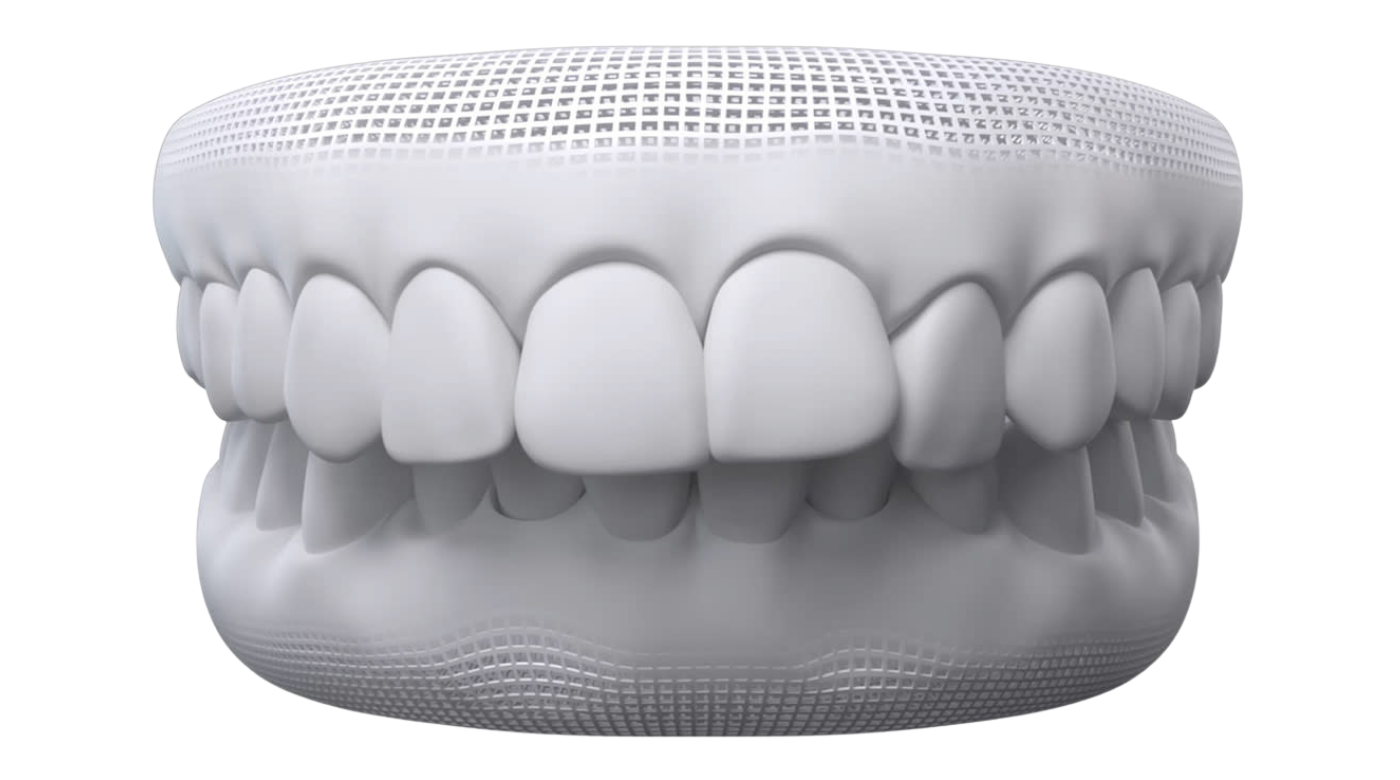
What is an overbite?
An overbite occurs when the upper front teeth overlap the lower front teeth more than they should.
A deep or severe overbite can cause a range of issues. These include excessive wear on the lower teeth, jaw discomfort or TMJ problems, a higher risk of chipping or fracturing teeth, gum
irritation, difficulty biting or chewing, and cosmetic concerns when smiling or in photos. Some patients also experience headaches, jaw tension, or clenching and grinding, which can further affect both oral health and overall comfort.
How do clear aligners help to correct an overbite?
Clear aligners can effectively treat many types of overbites, from mild to moderate. It works by using a series of clear, custom-made aligners that gradually move the teeth and, when needed, adjust jaw positioning through carefully planned mechanics. At Priors Hall Dental in Corby, we use advanced digital 3D planning to map every stage of your journey, ensuring predictable, safe and comfortable tooth movement.
1. Controlled tooth movement
Each aligner applies gentle, precise pressure to shift the teeth into a healthier, more stable bite position.
2. Improving jaw alignment
Small, tooth-coloured attachments help guide the bite correction when extra movement is required. This is especially effective when the overbite is more related to tooth position rather than jaw position.
3. Creating space where needed
In some cases, we adjust between the teeth to help create room for the teeth to align appropriately.
4. Preventing further wear and strain
By correcting an overbite, clear aligners help reduce long-term risks such as grinding, jaw discomfort and uneven tooth wear.
Benefits of clear aligners
Nearly invisible—ideal for work, school and social events
Removable—easy to eat, brush and maintain oral hygiene
Comfortable—smooth, no metal brackets or wires
Predictable results through advanced digital planning
Suitable for teens and adults
Improves both the bite and smile aesthetics
How long does it take to fix an overbite with clear aligners?
Treatment time varies depending on the severity of the overbite, but most patients see significant improvement within:
3-4 months for mild to moderate cases
5-7 months for complex cases
Your dentist will give you a personalised timeline during your consultation using a 3D digital simulation of your future smile.
Are you a good candidate for clear aligners?
You may benefit from clear aligners if you have:
A mild, moderate or deep overbite
Difficulties chewing or biting
Noticeable wear on lower teeth
Jaw tension or clenching habits
A desire for a straighter, more balanced smile
A full consultation at Priors Hall Dental, will determine whether clear aligners are the best option for your specific bite and goals.
Book a consultation, or call us on 01536214144 and discover how expert, compassionate care can help you achieve a beautifully aligned, confident smile that lasts a lifetime.
FAQs
1. What’s an overbite?
A dental overbite occurs when the upper front teeth overlap the lower teeth more than normal. Severe overbites can cause uneven tooth wear, jaw discomfort, gum irritation, and may affect the appearance of your smile.
2. Can clear aligners correct an overbite?
Yes. Clear aligners gradually move the teeth into a healthier alignment, helping correct mild to moderate overbites. They offer a discreet, comfortable alternative to traditional braces while supporting long-term oral health.
3. How long does treatment with clear aligners take?
Treatment duration varies depending on the severity of the overbite, but most patients notice improvement within 3-4 months. Your dentist will provide a personalised plan and timeline during your consultation.
4. Who is a good candidate for clear aligners to correct an overbite?
Adults and teens with mild to moderate overbites are often ideal candidates. A dental assessment ensures your teeth, gums, and jaw are suitable for treatment.
5. How should I care for my teeth during treatment?
Maintain excellent oral hygiene by brushing and flossing regularly, remove aligners when eating or drinking anything other than water, and attend regular dental check-ups to monitor progress.
Quick Links

All Dental Services
We offer a wide variety of dental services to the Hampstead Road community. Contact us with any questions about our services.

Keep In Touch
For non-urgent questions or to learn more about our services, contact us today!



© 2026 Priors Hall Dental. All rights Reserved - Accessibility Statement - Privacy Policy (Updated 11/11/2025) - Sitemap
Powered by 